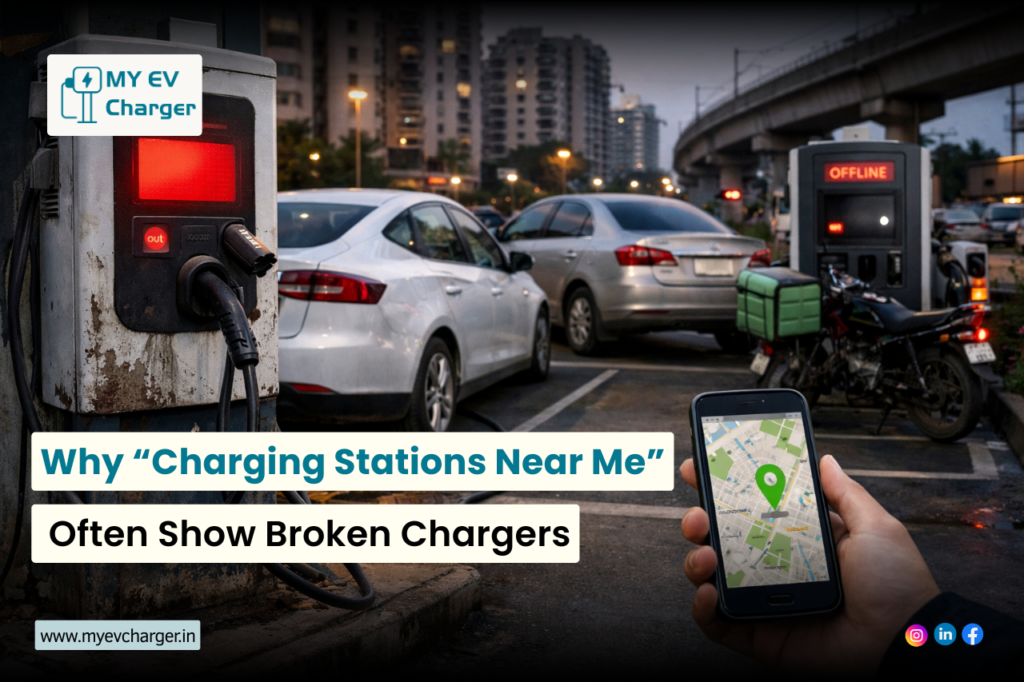
Finding reliable EV charging stations near me has become one of the most frustrating aspects of electric vehicle ownership. You’ve planned your route, your battery is running low, and your navigation app confidently displays several charging stations near me. But when you arrive, reality sets in: chargers are broken, out of service, or completely non-functional.
Searches for “EV charging stations near me,” “EV chargers near me,” “charging stations near me,” or “EV stations near me” frequently disappoint drivers with out-of-order units. This isn’t just an occasional inconvenience it’s a widespread problem affecting EV drivers nationwide, stemming from high downtime rates, inadequate upkeep, physical obstructions, and unverified statuses that mislead users.
The Harsh Reality of Charger Downtime
When you search for EV stations near me, mapping apps and charging networks display hundreds of locations that look robust on paper. In practice, the numbers tell a disturbing story about actual reliability.
Studies reveal a significant gap between reported and actual uptime rates. While charging networks publicly claim uptime figures of 92-99%, independent research shows the true uptime ranges from just 72-84%. This discrepancy means that roughly one in four charging attempts may result in failure a rate that would be unacceptable at traditional gas stations.
The problem intensifies with equipment age. Older chargers, especially those over four years old, fail significantly more often due to component wear, overheating, and accumulated software glitches. These aging infrastructure issues account for over two-thirds of charger problems nationwide.
The situation becomes critical with DC fast chargers, which EV drivers depend on for long-distance travel. Nearly half of DC fast chargers experienced at least a full week of downtime in late 2023, leaving drivers stranded or forcing significant route changes. Most alarming: 26% of supposedly available charging units fail upon arrival, turning what should be a routine charging stop into a frustrating ordeal.
Maintenance Shortfalls Behind the Failures
Poor maintenance practices amplify reliability problems across charging networks. When you pull up to EV chargers near me, you’re often encountering stations that haven’t received proper attention in weeks or months.
Dust-clogged ventilation systems, frayed or damaged cables, and faulty payment processors appear in approximately 50% of non-functional stations. These aren’t catastrophic failures requiring major repairs they’re preventable issues that routine maintenance would catch and resolve quickly.
Many charging station operators delay critical firmware updates and skip scheduled inspections, creating cascading problems. Payment system failures, which affect 18% of broken chargers, often stem from outdated software that can’t process modern payment methods or has compatibility issues with banking systems. Unresponsive touchscreens, affecting 3-22% of stations depending on location, frequently result from software bugs or calibration drift that regular maintenance would address.
The real danger lies in how small problems escalate. Without proactive maintenance checks, minor issues like loose wiring connections, corroded terminals, or slight misalignments become major failures. A loose cable connection that causes intermittent problems eventually fails completely. A slightly misaligned charging port that works 90% of the time suddenly stops working entirely after thermal expansion during summer heat.
This reactive approach fixing things only after complete failure burdens charging networks with repeat repairs, extends downtime, and frustrates the very customers these networks need to retain.
The Blocked Bay Problem
Even when chargers work perfectly, physical access problems make them unusable. This transforms your search for charging stations near me into an exercise in frustration, even when you’ve verified the equipment functions properly.
Blocked charging bays have become endemic in high-traffic urban locations. Non-EV vehicles park in charging spots (a practice called “ICE-ing”), trash bins block access, delivery trucks temporarily obstruct bays, and improper parking by other EV drivers makes cables unreachable. These problems concentrate in shopping centers, parking garages, and busy downtown areas where enforcement is minimal or non-existent.
Poor session management worsens the situation. Drivers who abandon charging sessions early or leave vehicles connected long after charging completes create artificial scarcity. Without idle fees or strict time limits enforced by operators, a single vehicle can monopolize a charger for hours.
Inadequate signage compounds these access issues. Charging spaces that aren’t clearly marked or painted attract non-EV parking. Locations where charging spots blend in with regular parking see higher rates of blocking, especially during peak shopping hours when parking scarcity makes drivers desperate.
The result: you arrive at EV stations near me only to find working chargers completely inaccessible, forcing you to circle parking lots or move to your backup location with no guarantee conditions will be better there.
Why Verification Matters More Than Ever
The information gap between what apps show and reality on the ground has made verification essential for successful charging stops.
Charging network apps consistently overestimate availability their software shows stations as “up” and available, but 26-30% of charging attempts fail due to unverified physical conditions. A charger might have failed hours ago, yet databases still list it as operational. Conversely, stations might be functional but show as unavailable due to connectivity issues with the reporting system.
This creates a dangerous reliability problem for EV drivers, especially on long trips where failed charging stops can mean the difference between reaching your destination and needing emergency roadside assistance.
User-reported apps like PlugShare bridge this critical information gap. Real-time photos from recent visitors, detailed ratings covering everything from cleanliness to reliability, and candid comments about current conditions provide accuracy that official network apps can’t match. When another driver checked in fifteen minutes ago with a photo showing functional chargers, you can travel with confidence.
Certified charging stations offer another verification layer. These locations undergo regular safety audits, maintain higher uptime standards, and face consequences for extended downtime. Prioritizing verified networks and certified stations dramatically reduces your risk of wasted trips and supports the infrastructure operators who invest in proper maintenance.
Practical Strategies for Finding Reliable Charging
Smart EV drivers have developed strategies to work within the current imperfect infrastructure when searching for EV charging stations near me.
Filter your search by recent user reviews first. A station with check-ins from the past 24-48 hours is far more likely to be functional than one with the most recent activity from two weeks ago. Look for uptime scores consistently above 90% and prioritize locations offering both Level 2 and DC fast charging options sites with diverse charging types tend to receive better maintenance.
Download and use multiple charging apps simultaneously. PlugShare, ChargePoint, EVgo, Electrify America, and manufacturer-specific apps each have different coverage strengths. Cross-referencing information across platforms increases accuracy. When three different apps all show a charger as recently used and available, reliability jumps significantly.
Focus on newer installations and networks with strong maintenance reputations. Check for modern safety features like surge protection and weather-resistant enclosures these indicate recent installations built to current standards rather than aging infrastructure from the early days of public EV charging.
Target locations with multiple charging stations. A site with eight chargers will likely have several functional units even when some are down, while single or dual-charger locations carry much higher failure risk. During your route planning, ensure backup options exist within reasonable range of your primary charging stop.
The Path to Better Infrastructure
Understanding these challenges empowers better decision-making, but the fundamental solution requires industry-wide improvements in maintenance practices, equipment quality, and accountability standards.
Increased competition among charging networks creates pressure to maintain higher reliability. Operators who consistently provide working chargers attract more customers and secure better site partnerships with property owners. Market forces gradually reward networks that invest in proper maintenance.
Regulatory pressure is mounting as well. Several states now implement minimum uptime requirements for publicly funded charging stations, with penalties for networks that fail to meet standards. These regulations force operators to prioritize maintenance and rapid repairs over cost-cutting.
The economic equation is shifting too. As EV adoption accelerates, utilization rates at charging stations increase, generating revenue that justifies better maintenance programs. Networks operating at breakeven or profit can afford preventive maintenance, faster repairs, and equipment upgrades that reduce failure rates.
Summary of Key Problems and Solutions
| Problem | Prevalence | Solutions |
| Downtime | 15-40% actual failure rate | Firmware updates, proactive component replacement |
| Maintenance Gaps | Causes 2/3 of all failures | Scheduled inspections, regular cleaning protocols |
| Blocked Access | High in urban areas | Clear signage, active towing enforcement |
| Status Mismatch | 26-30% fail on arrival | User verification apps, on-site status checks |
Conclusion: Taking Control of Your Charging Experience
The frustrating gap between searching for EV charging stations near me and finding reliable, accessible chargers reflects the growing pains of expanding EV infrastructure. High downtime rates, maintenance shortfalls, blocked bays, and information mismatches create daily challenges for electric vehicle owners.
However, understanding these systemic problems empowers you to navigate them effectively. Choosing verified EV chargers near me through user-reported apps, prioritizing well-maintained networks, planning backup options, and targeting locations with multiple charging units ensures smoother trips and fewer surprises.
The current situation isn’t permanent. As charging networks mature, competition intensifies, and regulatory standards tighten, reliability will improve. Better equipment, professional maintenance practices, and accountability measures will gradually close the gap between expectation and reality.
Until that future arrives, informed EV drivers who verify before they travel, plan strategically, and select charging locations carefully will experience the most successful charging outcomes. The infrastructure challenges are real, but they’re navigable with the right knowledge and approach.