Roadgrid
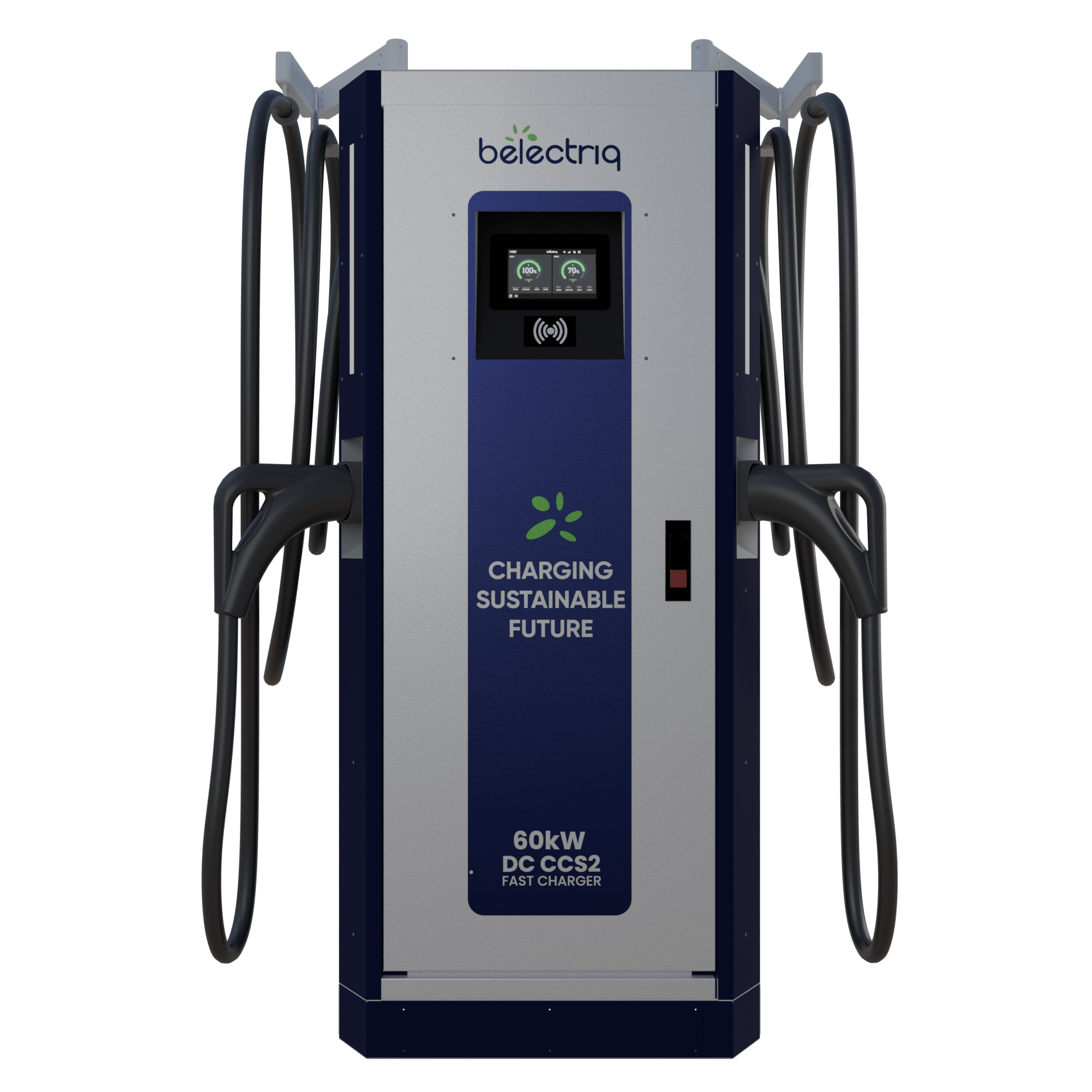
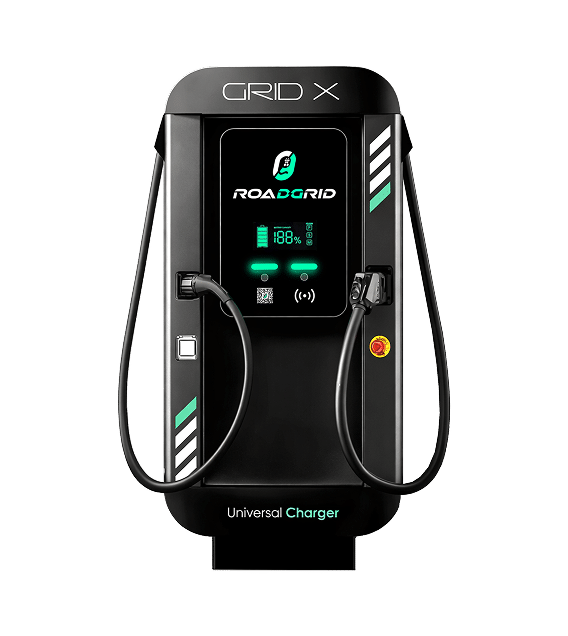
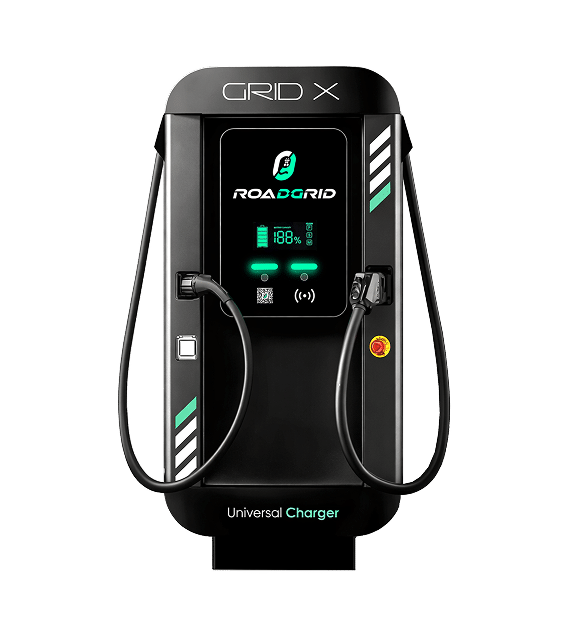
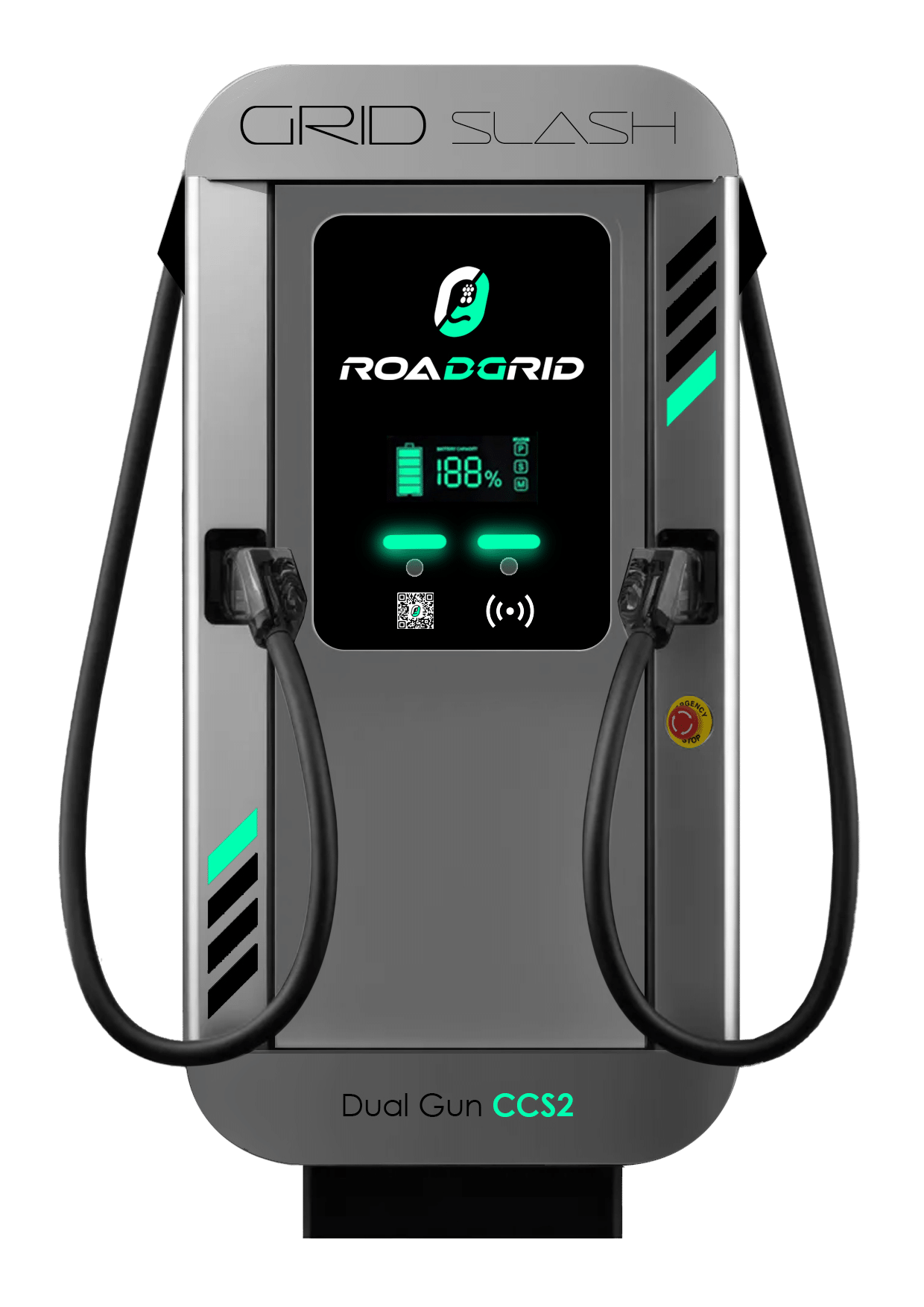
GRID Slash CCS2
2 (dual gun) · CCS2 · 200 to 1000 V DC- Scales up to 160 kW
- RFID, OTP, app login
A DC fast charger converts grid power to direct current inside the charger and feeds it straight into the vehicle's battery. That is why it charges far quicker than an AC charger, which relies on the smaller converter built into the car.
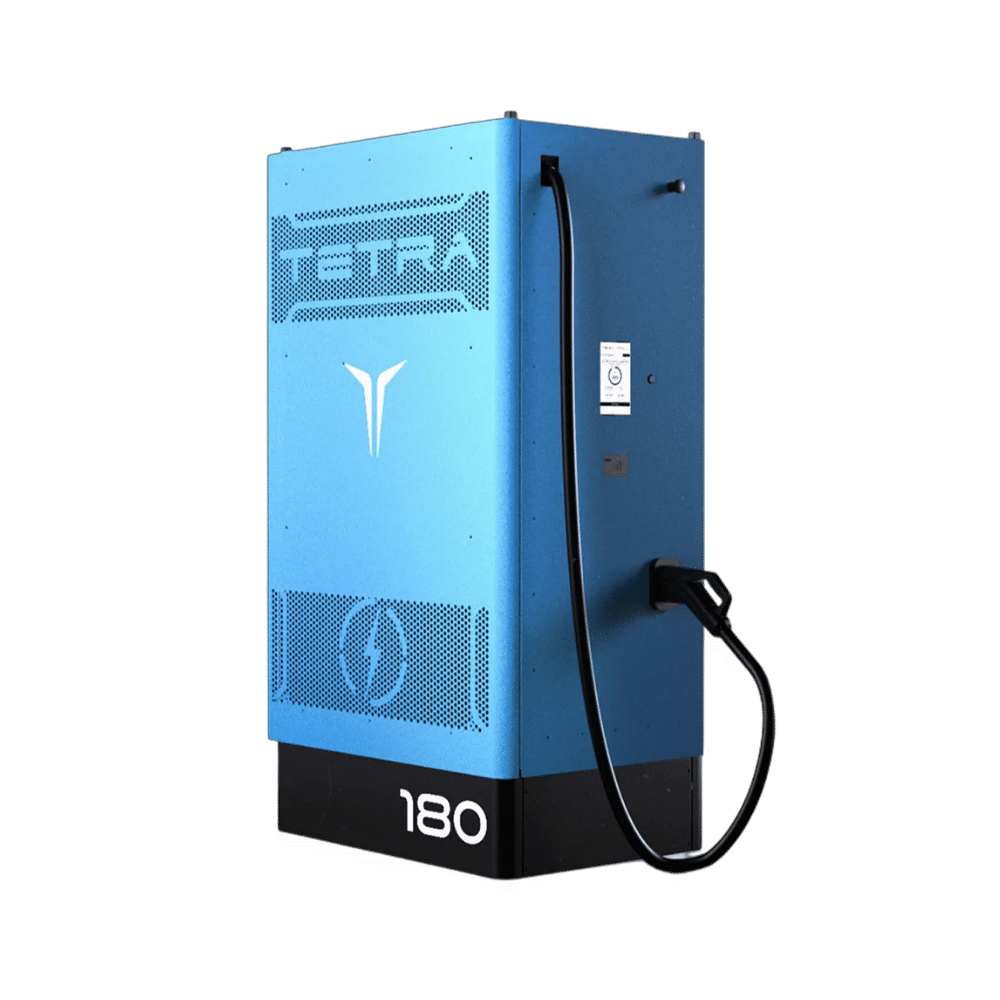
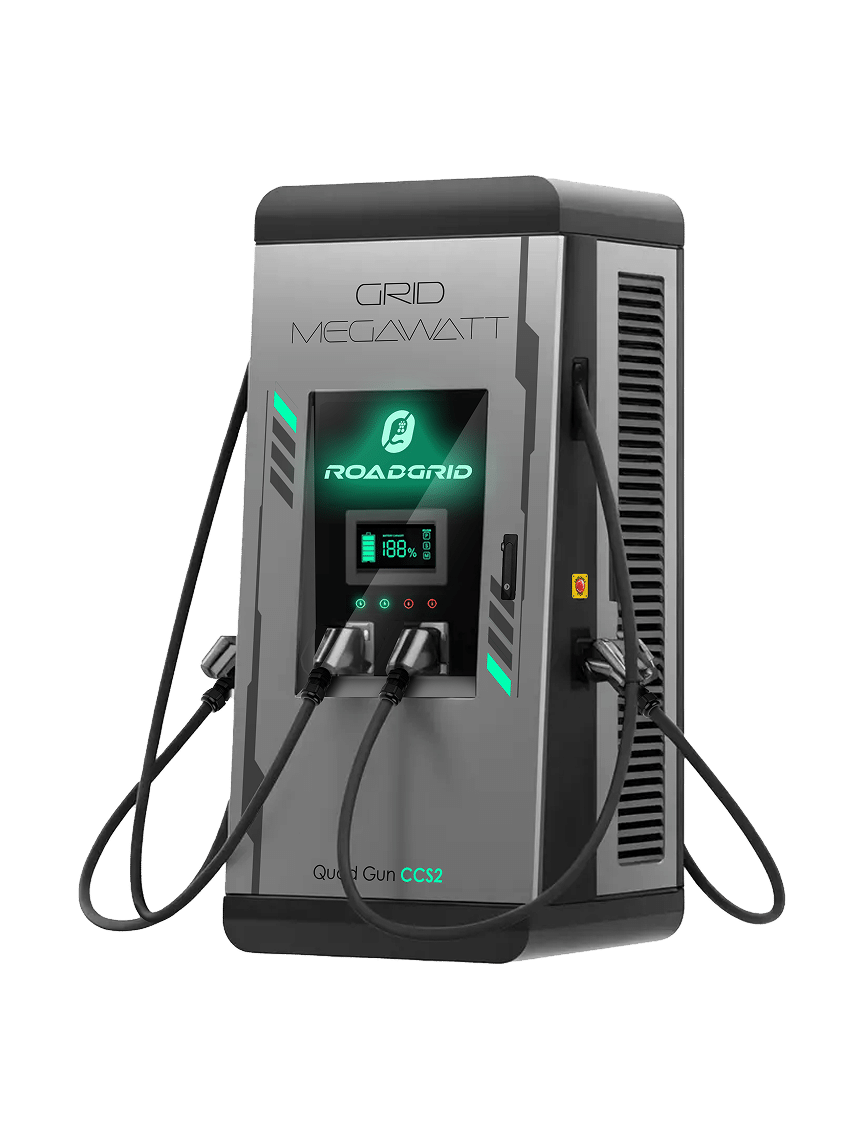
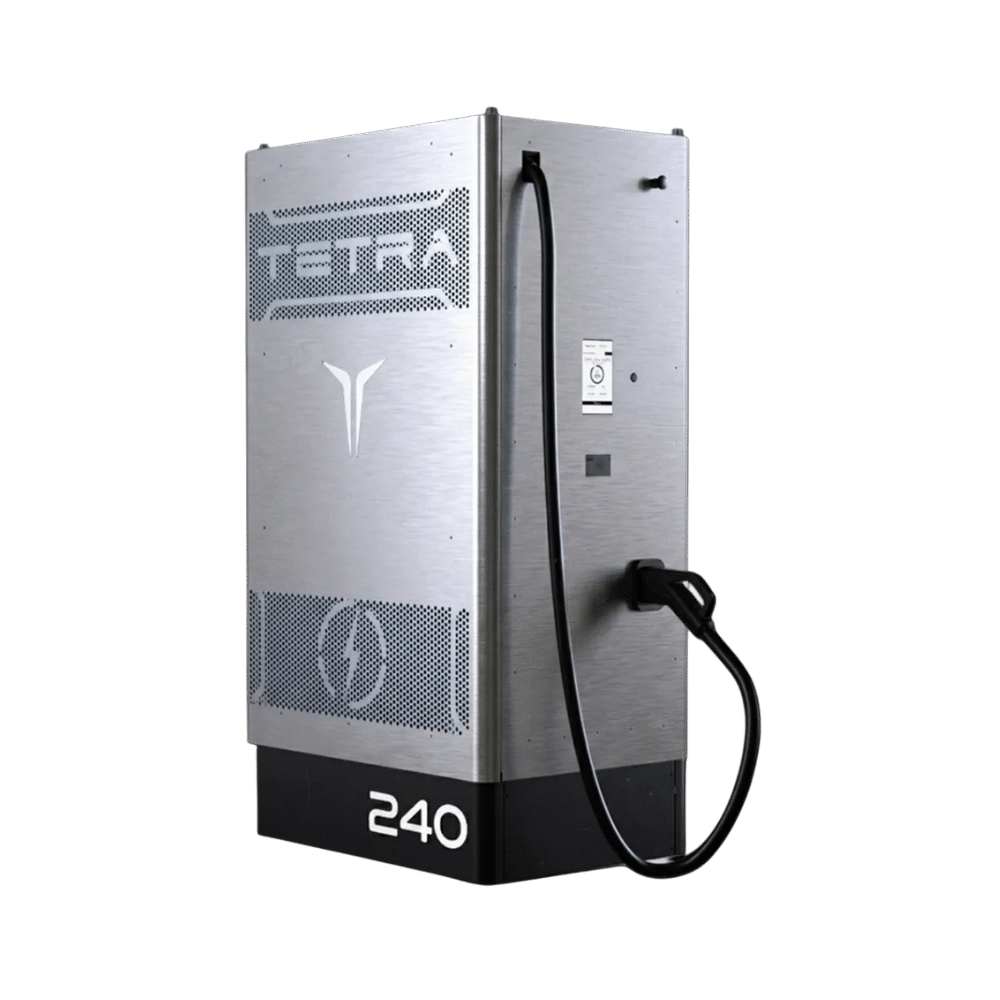
DC chargers in India range from compact 15 kW units for offices and small fleets to 240 kW machines for highway hubs and bus depots. Pick a power rating below to compare chargers from different brands, or see which rating suits your site.
12 chargers listed. Brands pay to be listed on My EV Charger; specs are as published by each brand.
Compact DC for offices, small fleets and electric two- and three-wheelers.
15 kW DC charger listings are on the way.
Manufacturer? Get your 15 kW charger listed Need one now? Ask an expertTop-ups for hotels, malls and office parking where cars stay an hour or more.
30 kW DC charger listings are on the way.
Manufacturer? Get your 30 kW charger listed Need one now? Ask an expertThe common choice for fuel stations, highway restaurants and malls.
Dual-gun charging for busy highway hubs, city stations and fleets.
High capacity for highway hubs, logistics parks and bus or truck depots.
Top-end power for flagship hubs and electric bus and truck fleets.
No chargers match these filters yet.
Typical power ratings by site. Your exact choice depends on traffic, dwell time and the power connection available.
Guests charge while they eat or check in, and a charger gives travellers a reason to choose your property.
Drivers stop for 20 to 40 minutes on long trips. Faster chargers turn that stop into a meaningful top-up.
Visitors park for a film or a meal, so moderate DC power covers their needs and brings footfall.
Paid parking lots can add charging as a second revenue stream with app or QR payments.
Most residents charge overnight on AC. A shared DC point helps visitors and residents in a hurry.
Existing forecourts, power connections and staff make fuel stations natural fast-charging sites.
Cabs, delivery vans, buses and trucks need quick turnarounds between shifts or trips.
Employees and visiting cars top up during the working day, which supports company green goals.
An AC charger supplies alternating current, and the car's built-in charger converts it, which limits the speed. A DC charger does the conversion itself and sends direct current straight to the battery, so it charges much faster. DC chargers cost more and need a stronger power supply.
It depends on how long vehicles stay and how many you expect. Hotels, malls and offices where cars park for an hour or more usually manage with 30 to 60 kW. Highways and fuel stations suit 60 to 120 kW. Bus, truck and busy fleet depots look at 180 kW and above.
Most electric cars sold in India have a CCS2 socket and can use DC fast chargers. Each car limits how much power it accepts. Many electric two- and three-wheelers charge only on AC or use different connectors, so check the vehicle before choosing a charger.
A 3-phase power connection with enough sanctioned load, approval from your electricity company, and space for the charger and parking. Chargers of 120 kW and above often need a high-tension connection or a dedicated transformer. Sellers usually help with a site survey.
No. My EV Charger does not sell chargers. Send an enquiry and verified sellers will contact you with quotes, installation details and timelines.
Tell us about your site and a charging expert will suggest the right charger.